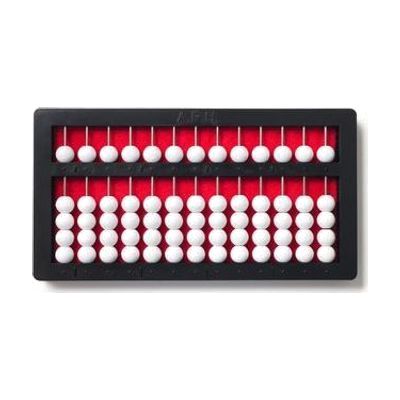
Cranmer Abacus
by American Printing House for the Blind
Price is what the vendor listed when last checked. Confirm it with the vendor before buying.
What it is
Summary
AI-generated from vendor-published content · October 1, 2026
The Cranmer Abacus is a compact 13-rod abacus that lets someone do math by touch. A red felt backing holds the beads where they are set, so they don't slide out of place while the person works. The frame is about 6 by 3 inches, with beads 3/8 inch across. It's made for children age 5 and up who are learning math without sight. You can link two abacuses together with an optional metal coupler, sold separately, for larger calculations.
Getting it
Try before you buy
Devices like this are often available to borrow through your state's AT Act program — typically free or low-cost — so you can try it before buying or pursuing funding.
Where to get it
This is the vendor WhatCanHelp tracks for this product — it may also be available from other retailers or a local supplier, and prices vary.
How to fund this
These are common places to ask about paying for equipment like this. Each one decides its own eligibility and what it covers, so start by asking them.
Details
Quick Facts Catalog facts · auto-generated
- Addresses
- Platform
- Age range
- Complexity
- Setup with instructions
- Price
- $35.00
- Funding
- AT Act lending
- Out of pocket
- School district
What setup looks like
- Out of the box
Take the abacus out of its packaging and set it flat on a desk or table. The beads are ready to move right away. - With a guide
- Have a teacher of students with visual impairments, or a family member who knows the method, show the basics: clearing the beads, setting a number, and reading it back by touch.
- Plan on several short practice sessions to build comfort with simple addition and subtraction before moving to harder problems.
Compare & explore
More learning materials
-

Holy Moly
$100.14
-
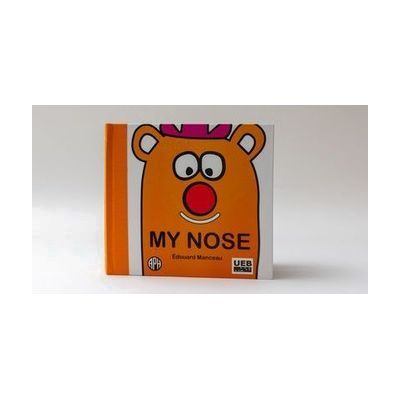
My Nose
$299.00
-
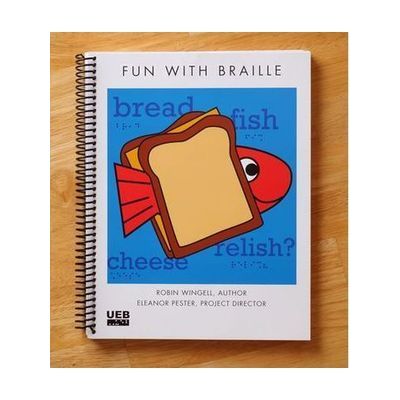
-
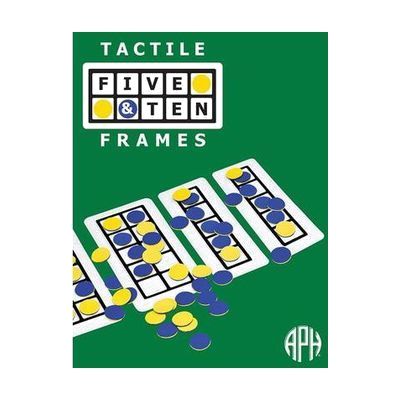
Tactile Five and Ten Frames
$69.00
-
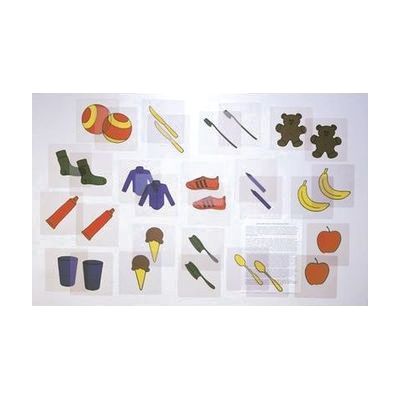
Familiar Object Pictures
$98.54
-
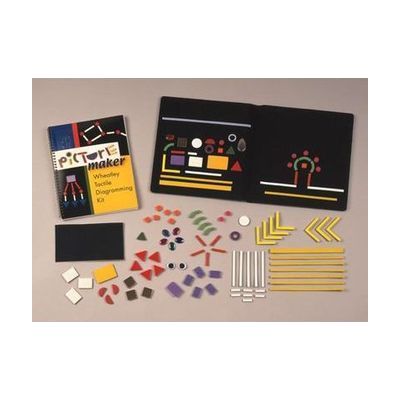
Sources & fine print
Vendor facts (name, price, platforms, vendor link) sourced from American Printing House for the Blind — view on vendor site (opens in a new tab); last checked November 23, 2026.
Classification & description AI-generated from vendor-published content on October 1, 2026 · confidence: high. Vendor specs may lag; verify before relying on details in a clinical or funding artifact.