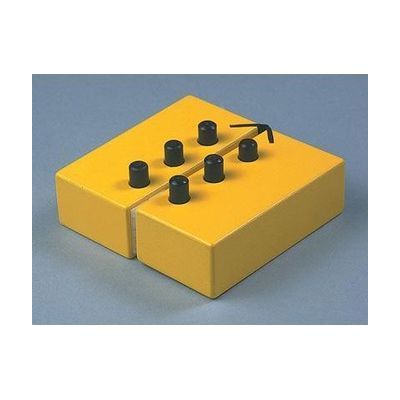
Swing Cell Compact
by American Printing House for the Blind
Price is what the vendor listed when last checked. Confirm it with the vendor before buying.
What it is
Summary
AI-generated from vendor-published content · November 15, 2026
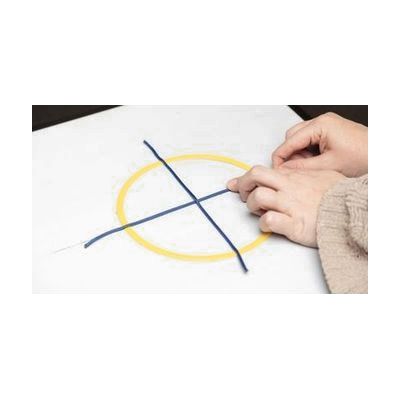
The Swing Cell Compact is a teaching device that shows a student how the six dots of a braille cell line up with the keys on a braillewriter. It's meant for children who are learning to write braille and need to connect the keys under their fingers to the dots they produce. It's a hands-on teaching aid, not a writing tool, so it works best when a teacher or vision professional uses it as part of braille instruction.
Getting it
Try before you buy
Devices like this are often available to borrow through your state's AT Act program — typically free or low-cost — so you can try it before buying or pursuing funding.
Where to get it
This is the vendor WhatCanHelp tracks for this product — it may also be available from other retailers or a local supplier, and prices vary.
How to fund this
These are common places to ask about paying for equipment like this. Each one decides its own eligibility and what it covers, so start by asking them.
Details
Quick Facts Catalog facts · auto-generated
- Addresses
- Platform
- Age range
- Complexity
- Professional guidance helps
- Price
- $79.50
- Funding
- AT Act lending
- Out of pocket
- School district
What setup looks like
- Out of the box
Handle the device and explore how its parts relate to the braille cell. It needs no batteries or software. - With a guide
Work through it with a teacher of students with visual impairments (TVI), who can match each key to its dot position and pace the lessons to the student.
Compare & explore
More learning materials
-
White Braille Paper
$14.98
-
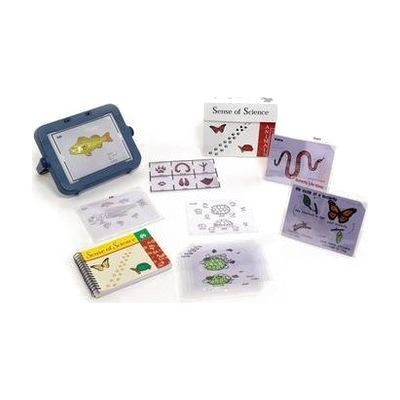
Sense of Science: Animals
$562.00
-
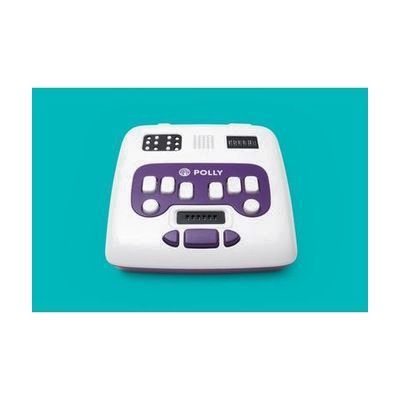
Polly
$999.00
-
-
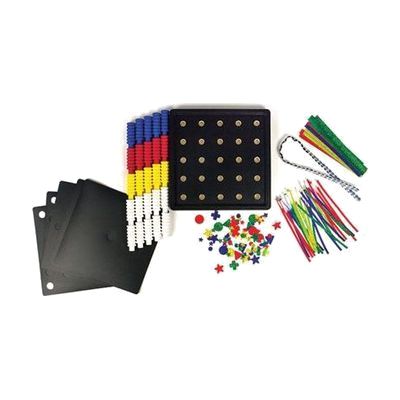
AnyMath Kit, UEB Version
$489.00
-

Adapted Science Materials Kit
$259.00
Sources & fine print
Vendor facts (name, price, platforms, vendor link) sourced from American Printing House for the Blind — view on vendor site (opens in a new tab); last checked November 23, 2026.
Classification & description AI-generated from vendor-published content on November 15, 2026 · confidence: medium. Vendor specs may lag; verify before relying on details in a clinical or funding artifact.