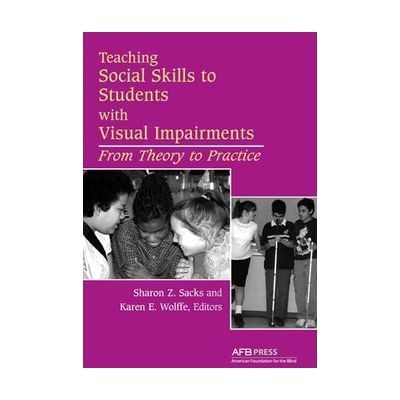
Teaching Social Skills to Students with Visual Impairments: From Theory to Practice(Print)
by American Printing House for the Blind
Last verified June 15, 2026 · classified June 17, 2026
What it is
Summary
AI-generated from vendor-published content · June 17, 2026
A professional reference book for educators and specialists who work with students who have visual impairments, covering how to teach social skills that sighted peers pick up incidentally — things like reading body language, knowing when to smile, or interpreting the social cues embedded in everyday environments. Students with blindness or low vision often miss the visual feedback loop that teaches these skills naturally, so this book provides structured frameworks for direct instruction. It's aimed at TVIs (teachers of students with visual impairments), orientation and mobility specialists, and school psychologists — not intended as a student-facing tool. This is a print book, not a curriculum kit, so implementation depends heavily on the practitioner's ability to translate the theory into classroom or session activities.
Quick Facts Catalog facts · auto-generated
- Out of pocket
- School district
- Vocational rehab
What Setup Looks Like
- Out of the box
Purchase and read — this is a print reference book requiring no setup or devices.
Getting it
Many states lend devices like this for free trial periods — find your state's AT lending program.
Where to Get It
Some links may be affiliate links — WhatCanHelp may earn a small commission from purchases at no extra cost to you. More on affiliates →
How to Fund This
Equipment like this is often pursued through official state programs. These are common starting points — each program decides its own eligibility and what it covers, so the first step is always a phone call.
Compare & explore
Sources & fine print
Vendor facts (name, price, platforms, vendor link) sourced from American Printing House for the Blind — view on vendor site; last verified June 15, 2026.
Classification & description AI-generated from vendor-published content on June 17, 2026 · confidence: high. Vendor specs may lag; verify before relying on details in a clinical or funding artifact.