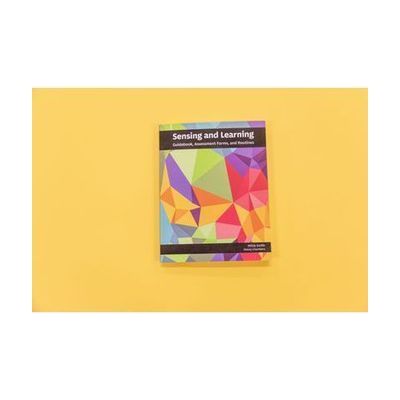
Sensing and Learning
by American Printing House for the Blind
Last verified July 30, 2026 · classified June 18, 2026
What it is
Summary
AI-generated from vendor-published content · June 18, 2026
Sensing and Learning is a curriculum and resource guide from APH designed to support educators and caregivers working with learners who have significant sensory and cognitive disabilities. It provides structured activities and updated research to guide how adults present sensory experiences — touch, sound, light, movement — in ways that build curiosity and engagement in learners who may have limited communication or motor responses. This is a book or curriculum package, not a collection of tactile objects — you'll need to source or gather the sensory materials it describes. Best suited for teachers, therapists, or caregivers working with students who have multiple disabilities, deafblindness, or who are functioning at early developmental levels. At under $25, it's a low-cost professional resource, though applying it well requires familiarity with sensory learning principles or guidance from a specialist.
Quick Facts Catalog facts · auto-generated
- AT Act lending
- Out of pocket
- School district
What Setup Looks Like
- Out of the box
Open the guide and review the activity framework — no setup required to read and plan. - With a guide
- Identify which sensory domains (tactile, auditory, visual, vestibular) to target for a specific learner.
- Gather sensory materials referenced in the activities — most are common household or classroom items.
- Begin structured sessions using the activity sequences provided (allow 1-2 hours to plan first sessions).
- See manufacturer support resources for detailed instructions.
- With professional help
- A teacher of the visually impaired (TVI), orientation and mobility specialist, or OT familiar with sensory learning can help tailor activities to a specific learner's sensory profile.
- For learners with deafblindness or complex needs, consult an intervener or deafblind specialist.
Getting it
Try Before You Buy
Devices like this are often available to borrow through your state's AT Act program — typically free or low-cost — so you can try it before buying or pursuing funding.
Where to Get It
This is the vendor WhatCanHelp tracks for this product — it may also be available from other retailers or a local supplier, and prices vary.
Some links may be affiliate links — WhatCanHelp may earn a small commission from purchases at no extra cost to you. More on affiliates →
As an Amazon Associate we earn from qualifying purchases.
Wondering how equipment like this gets paid for? See the official funding programs in your state.
Compare & explore
Sources & fine print
Vendor facts (name, price, platforms, vendor link) sourced from American Printing House for the Blind — view on vendor site; last verified July 30, 2026.
Classification & description AI-generated from vendor-published content on June 18, 2026 · confidence: medium. Vendor specs may lag; verify before relying on details in a clinical or funding artifact.