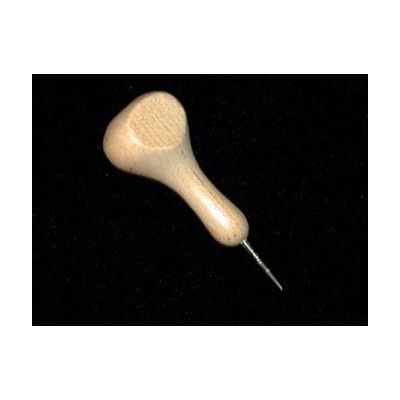
Braille Stylus: Wood-Handled, Small
by American Printing House for the Blind
Last verified July 3, 2026 · classified July 5, 2026
What it is
Summary
AI-generated from vendor-published content · July 5, 2026
A hand-held stylus used to punch individual braille dots into paper through a braille slate — the low-tech equivalent of typing braille by hand. The small size suits younger students or people with smaller hands who are learning to write braille manually. This is one piece of a two-part system: it requires a braille slate (a metal or plastic guide that holds the paper) to be functional. At $1, it's a consumable tool that gets lost or worn down regularly, so keeping spares on hand is standard practice in braille literacy programs.
Quick Facts Catalog facts · auto-generated
- AT Act lending
- Out of pocket
- School district
What Setup Looks Like
- Out of the box
Pair with a braille slate, insert paper, and begin punching dots using the metal tip through the slate's cell openings. - With professional help
A teacher of the visually impaired (TVI) typically introduces slate-and-stylus technique as part of a structured braille literacy curriculum — correct hand position and dot-punching sequence need direct instruction to avoid errors and develop fluency.
Getting it
Try Before You Buy
Devices like this are often available to borrow through your state's AT Act program — typically free or low-cost — so you can try it before buying or pursuing funding.
Where to Get It
Some links may be affiliate links — WhatCanHelp may earn a small commission from purchases at no extra cost to you. More on affiliates →
Wondering how equipment like this gets paid for? See the official funding programs in your state.
Compare & explore
Sources & fine print
Vendor facts (name, price, platforms, vendor link) sourced from American Printing House for the Blind — view on vendor site; last verified July 3, 2026.
Classification & description AI-generated from vendor-published content on July 5, 2026 · confidence: high. Vendor specs may lag; verify before relying on details in a clinical or funding artifact.