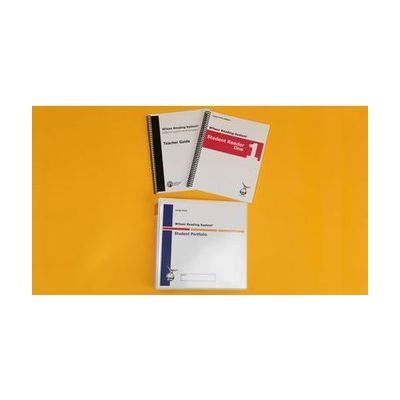
Wilson Reading System IV, Step One Kit
by American Printing House for the Blind
Last verified July 3, 2026 · classified July 5, 2026
What it is
Summary
AI-generated from vendor-published content · July 5, 2026
The Wilson Reading System (WRS) is a structured, multisensory approach to reading instruction built on Orton-Gillingham principles — it teaches phonemic awareness, decoding, and fluency through explicit, sequential lessons that engage visual, auditory, and tactile pathways simultaneously. This Step One Kit is the large-print edition of the first instructional level, making it accessible for students with low vision or other print access challenges. It's designed for someone who struggles significantly with decoding — whether due to dyslexia, a learning disability, or inadequate early reading instruction — and benefits from a highly structured, rule-based approach rather than whole-language methods. This is not a standalone self-study program; WRS is intended to be delivered by a trained instructor, ideally a teacher or reading specialist who has completed Wilson certification or equivalent training. Without that instructional backbone, the materials alone won't produce the results the system is known for.
Quick Facts Catalog facts · auto-generated
- AT Act lending
- Out of pocket
- School district
- Vocational rehab
What Setup Looks Like
- Out of the box
Review included materials to understand lesson structure and sequence. - With a guide
- Familiarize yourself with the WRS scope and sequence using the instructor guide.
- Plan 30-45 minute daily sessions following the prescribed lesson format — expect 1-2 hours of prep before starting with a student.
- With professional help
- A certified Wilson Reading System instructor, reading specialist, or special education teacher should deliver instruction.
- Wilson Language Training offers formal certification; districts and tutors often complete this before using the program. See manufacturer support resources for detailed instructions.
Getting it
Try Before You Buy
Devices like this are often available to borrow through your state's AT Act program — typically free or low-cost — so you can try it before buying or pursuing funding.
Where to Get It
Some links may be affiliate links — WhatCanHelp may earn a small commission from purchases at no extra cost to you. More on affiliates →
How to Fund This
Equipment like this is often pursued through official state programs. These are common starting points — each program decides its own eligibility and what it covers, so the first step is always a phone call.
Compare & explore
Sources & fine print
Vendor facts (name, price, platforms, vendor link) sourced from American Printing House for the Blind — view on vendor site; last verified July 3, 2026.
Classification & description AI-generated from vendor-published content on July 5, 2026 · confidence: high. Vendor specs may lag; verify before relying on details in a clinical or funding artifact.