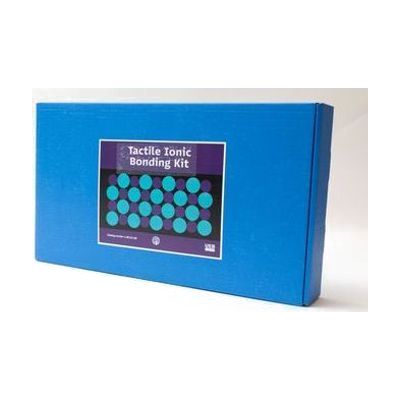
Tactile Ionic Bonding Kit: UEB
by American Printing House for the Blind
Last verified July 3, 2026 · classified July 6, 2026
What it is
Summary
AI-generated from vendor-published content · July 6, 2026
This hands-on science kit uses physical foam components to represent ions — positively and negatively charged particles — so students can physically manipulate and feel how they attract and bond together. It's designed for blind and low-vision students learning chemistry concepts that are typically taught through visual diagrams and models. Everything is labeled in Unified English Braille (UEB), and the tactile format means a student can explore electron transfer and ionic compound formation through touch rather than sight. This is a complete classroom manipulative, not a digital tool — it works on its own without any software or devices, though it fits best within a structured science curriculum guided by a teacher of the visually impaired (TVI) or science teacher familiar with the content.
Quick Facts Catalog facts · auto-generated
- AT Act lending
- Out of pocket
- School district
- Vocational rehab
What Setup Looks Like
- Out of the box
Open kit and use foam subunits with braille labels directly — no assembly or charging required. - With professional help
- A teacher of the visually impaired (TVI) or science teacher should orient the student to component conventions and introduce ionic bonding vocabulary before independent use.
- Plan 1-2 introductory sessions to ensure the student understands what each piece represents within the chemistry context.
Getting it
Try Before You Buy
Devices like this are often available to borrow through your state's AT Act program — typically free or low-cost — so you can try it before buying or pursuing funding.
Where to Get It
Some links may be affiliate links — WhatCanHelp may earn a small commission from purchases at no extra cost to you. More on affiliates →
How to Fund This
Equipment like this is often pursued through official state programs. These are common starting points — each program decides its own eligibility and what it covers, so the first step is always a phone call.
Compare & explore
Sources & fine print
Vendor facts (name, price, platforms, vendor link) sourced from American Printing House for the Blind — view on vendor site; last verified July 3, 2026.
Classification & description AI-generated from vendor-published content on July 6, 2026 · confidence: high. Vendor specs may lag; verify before relying on details in a clinical or funding artifact.