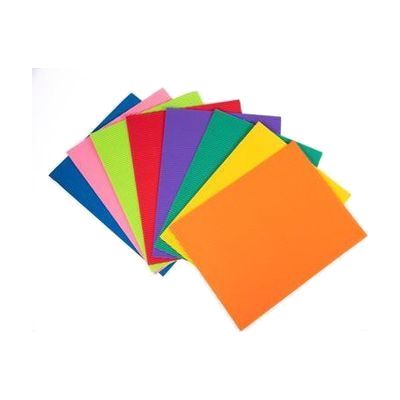
Feel 'n Peel Sheets: Carousel of Textures
by American Printing House for the Blind
Price is what the vendor listed when last checked. Confirm it with the vendor before buying.
What it is
Summary
AI-generated from vendor-published content · October 1, 2026
The Feel 'n Peel Sheets: Carousel of Textures is an assortment of textured sheets in different colors that you cut, peel, and stick to build your own tactile materials. Teachers and families use sheets like these to adapt or create storybooks, maps, games, and art projects so a child can explore them by touch. It's a set of raw materials rather than a finished lesson, so you'll need to plan and make the materials yourself.
Getting it
Try before you buy
Devices like this are often available to borrow through your state's AT Act program — typically free or low-cost — so you can try it before buying or pursuing funding.
Where to get it
This is the vendor WhatCanHelp tracks for this product — it may also be available from other retailers or a local supplier, and prices vary.
How to fund this
These are common places to ask about paying for equipment like this. Each one decides its own eligibility and what it covers, so start by asking them.
Details
Quick Facts Catalog facts · auto-generated
- Addresses
- Platform
- Age range
- Complexity
- Professional guidance helps
- Price
- $117.55
- Funding
- AT Act lending
- Out of pocket
- School district
What setup looks like
- Out of the box
- Open the pack and feel the different textures to see which ones are easy to tell apart.
- Cut a shape from a sheet, peel off the backing, and press it onto paper or card.
- With a guide
- Pick which textures stand for which things, such as water, grass, or roads, and use them the same way each time.
- Build a first simple page or map and try it with the child, then adjust based on what they can feel and understand.
- With professional help
A teacher of students with visual impairments (TVI) or an occupational therapist can help choose textures, plan consistent tactile symbols, and fit the materials to the child's learning goals. Plan on a short planning session, then ongoing check-ins as you make more materials.
Compare & explore
Sources & fine print
Vendor facts (name, price, platforms, vendor link) sourced from American Printing House for the Blind — view on vendor site (opens in a new tab); last checked November 1, 2026.
Classification & description AI-generated from vendor-published content on October 1, 2026 · confidence: high. Vendor specs may lag; verify before relying on details in a clinical or funding artifact.