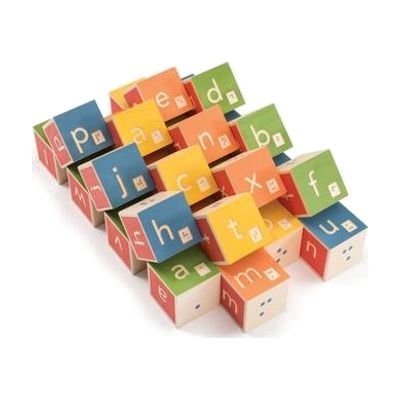
Alphabet Braille Blocks
by LS&S
Price is what the vendor listed when last checked. Confirm it with the vendor before buying.
What it is
Summary
AI-generated from vendor-published content · October 1, 2026
These wooden alphabet blocks pair a raised letter with its braille cell on each block, so a learner can feel the print shape and the braille symbol side by side. The set has 28 blocks in bright colors, which also makes them appealing to sighted children. You can use them to practice the alphabet and then build simple words and sentences. They work in a classroom or at home, for blind, low-vision, or sighted children and adults who are meeting braille for the first time.
Getting it
Try before you buy
Devices like this are often available to borrow through your state's AT Act program — typically free or low-cost — so you can try it before buying or pursuing funding.
Where to get it
This is the vendor WhatCanHelp tracks for this product — it may also be available from other retailers or a local supplier, and prices vary.
How to fund this
These are common places to ask about paying for equipment like this. Each one decides its own eligibility and what it covers, so start by asking them.
Details
Quick Facts Catalog facts · auto-generated
- Addresses
- Platform
- Complexity
- Setup with instructions
- Price
- $37.95
- Funding
- AT Act lending
- Out of pocket
- School district
What setup looks like
- Out of the box
Open the set and let the learner handle the blocks freely so they get used to the wood, the raised letters, and the braille dots. - With a guide
- Start with a few blocks at a time, naming each letter and tracing the raised shape and the braille cell together.
- Move on to matching letters, spelling short words, and then building simple sentences as the learner gains confidence.
- Plan on about 30 minutes to set up a simple routine; a teacher of students with visual impairments can help shape the lesson order.
Compare & explore
More learning materials
-
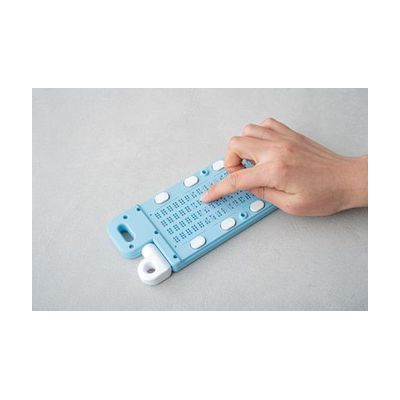
Versa Erasable Slate
$120.00
-
-
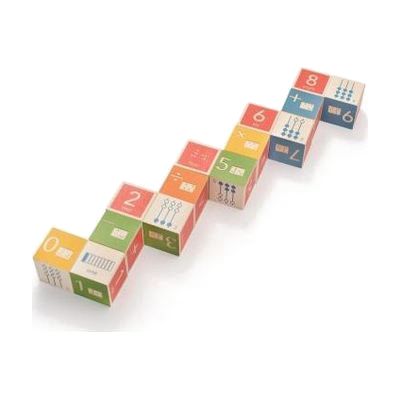
Number Braille Blocks
$20.95
-
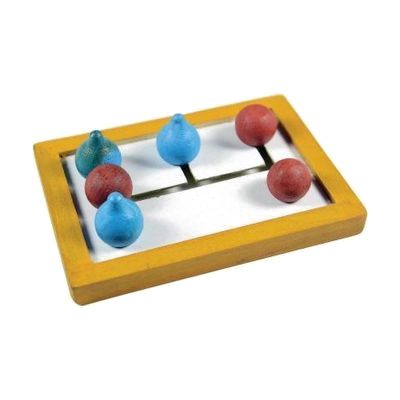
Shifting Shapes Game
$8.95
-
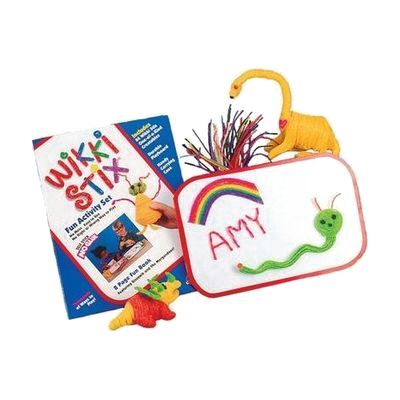
Wikki Sticks, 48 Count
$6.95
-
Sources & fine print
Vendor facts (name, price, platforms, vendor link) sourced from LS&S — view on vendor site (opens in a new tab); last checked November 24, 2026.
Classification & description AI-generated from vendor-published content on October 1, 2026 · confidence: high. Vendor specs may lag; verify before relying on details in a clinical or funding artifact.