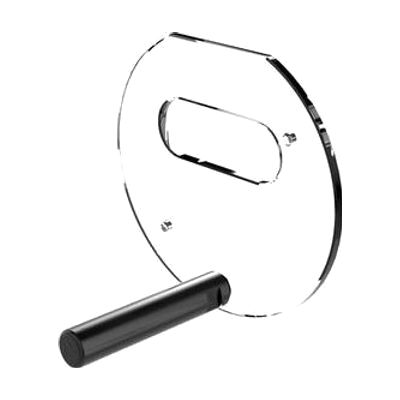
REHAdapt iSwitch Mounting Plate
by REHAdapt
Price is what the vendor listed when last checked. Confirm it with the vendor before buying.
Accessory or replacement part Made to go with another product — check it fits what you have.
Last verified September 16, 2026 · classified April 26, 2026
What it is
Summary
AI-generated from vendor-published content · April 26, 2026
This is a clear plastic plate designed specifically to attach the REHAdapt iSwitch to a mounting arm or surface, keeping it firmly positioned during use. It's for anyone using the iSwitch as part of a switch-access setup — whether controlling a communication device, computer, or other AT — who needs the switch held reliably in a consistent position rather than shifting around. This is a component part, not a standalone solution: it only works with the REHAdapt iSwitch and a compatible mounting arm or attachment system, which are sold separately. The transparent design is a practical detail that lets caregivers or therapists see the underside of the switch for position checks, but this is only useful if you're already committed to the REHAdapt ecosystem.
Quick Facts Catalog facts · auto-generated
- Out of pocket
What Setup Looks Like
- Out of the box
Attach the mounting plate to the iSwitch using the included fastening hardware. - With a guide
- Align the plate with your existing mounting arm or surface mount according to REHAdapt's compatibility guide.
- Secure all fastening points and verify the switch is stable before use — takes about 10–15 minutes with the included instructions.
- See manufacturer support resources for detailed instructions.
- With professional help
- An occupational therapist (OT) or ATP should determine optimal switch placement relative to the user's body and movement range before final mounting.
- Expect 1 session to evaluate and confirm positioning as part of a broader switch-access assessment.
Getting it
Many states lend devices like this for free trial periods — find your state's AT lending program.
Where to Get It
This is the vendor WhatCanHelp tracks for this product — it may also be available from other retailers or a local supplier, and prices vary.
Some links may be affiliate links — WhatCanHelp may earn a small commission from purchases at no extra cost to you. More on affiliates →
As an Amazon Associate we earn from qualifying purchases.
Wondering how equipment like this gets paid for? See the official funding programs in your state.
Compare & explore
Sources & fine print
Vendor facts (name, price, platforms, vendor link) sourced from REHAdapt — view on vendor site; last verified September 16, 2026.
Classification & description AI-generated from vendor-published content on April 26, 2026 · confidence: high. Vendor specs may lag; verify before relying on details in a clinical or funding artifact.