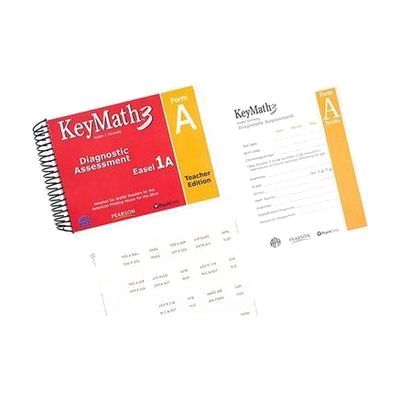
KeyMath-3 Braille Teacher Guides for Student Braille Kit
by American Printing House for the Blind
Last verified June 15, 2026 · classified May 23, 2026
What it is
Summary
AI-generated from vendor-published content · May 23, 2026
These are the print teacher guides used alongside the KeyMath-3 Braille Student Kit, a standardized diagnostic math assessment for students from pre-K through ninth grade who read braille. The assessment evaluates foundational math skills and concepts aligned with NCTM standards — things like numeration, geometry, measurement, and problem solving — giving educators a structured way to identify where a student is and what needs instructional attention. This is the teacher/administrator component only; it requires the separately purchased contracted or uncontracted braille student kit to actually conduct the assessment. Teachers of the visually impaired (TVIs) or special education staff administering math diagnostics to braille readers are the primary users — this is a professional assessment tool, not something a family would use independently.
Quick Facts Catalog facts · auto-generated
- AT Act lending
- Out of pocket
- School district
What Setup Looks Like
- Out of the box
Review the teacher guide to familiarize yourself with administration procedures and scoring. - With a guide
- Order the matching braille student kit (contracted or uncontracted, depending on the student's braille literacy level).
- Use the teacher guide to administer, score, and interpret the diagnostic — allow 30–60 minutes per administration session. See manufacturer support resources for detailed instructions.
- With professional help
- A Teacher of the Visually Impaired (TVI) or certified special educator should administer and interpret results.
- Scores inform IEP math goals and guide instructional planning — expect 1–2 sessions to administer and a follow-up session to review results with the educational team.
Getting it
Try Before You Buy
Devices like this are often available to borrow through your state's AT Act program — typically free or low-cost — so you can try it before buying or pursuing funding.
Where to Get It
Some links may be affiliate links — WhatCanHelp may earn a small commission from purchases at no extra cost to you. More on affiliates →
Wondering how equipment like this gets paid for? See the official funding programs in your state.
Compare & explore
Sources & fine print
Vendor facts (name, price, platforms, vendor link) sourced from American Printing House for the Blind — view on vendor site; last verified June 15, 2026.
Classification & description AI-generated from vendor-published content on May 23, 2026 · confidence: high. Vendor specs may lag; verify before relying on details in a clinical or funding artifact.