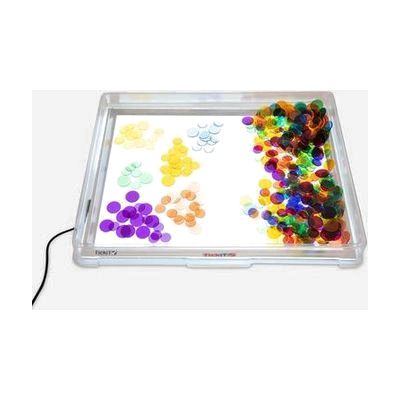
Sensa Light Panel and Cover
Last verified June 20, 2026 · classified May 23, 2026
What it is
Summary
AI-generated from vendor-published content · May 23, 2026
This is an LED-backlit light panel paired with a translucent tray surface, designed so children can place objects, sand, water beads, or other materials on top and watch them glow from beneath. The combination of light, color, and tactile materials makes it particularly useful for children who are sensory-seeking, have visual impairments, or are early communicators who respond better to high-contrast, visually stimulating environments. You get both the panel and cover tray together — this is a complete, self-contained station rather than an add-on. The A3 designation refers to the working surface size, which gives decent room for group or paired play but won't fill a dedicated therapy room corner.
Quick Facts Catalog facts · auto-generated
- AT Act lending
- Medicaid waiver
- Out of pocket
- School district
What Setup Looks Like
- Out of the box
- Place the cover tray onto the light panel.
- Plug in and power on — the surface illuminates immediately for use.
- With a guide
- Gather sensory materials (sand, gel beads, translucent objects) suited to the child's sensory profile and goals.
- Position at an appropriate height for the child, either on a table or floor depending on their motor and positioning needs — allow 15–30 minutes to set up a purposeful activity station. See manufacturer support resources for detailed instructions.
- With professional help
- An occupational therapist (OT) or SLP can identify which sensory materials and light settings match the child's regulatory or communication goals.
- Expect 1–2 consultations to integrate the panel into an existing sensory diet or cause-and-effect learning program.
Getting it
Try Before You Buy
Devices like this are often available to borrow through your state's AT Act program — typically free or low-cost — so you can try it before buying or pursuing funding.
Where to Get It
Some links may be affiliate links — WhatCanHelp may earn a small commission from purchases at no extra cost to you. More on affiliates →
How to Fund This
Equipment like this is often pursued through official state programs. These are common starting points — each program decides its own eligibility and what it covers, so the first step is always a phone call.
Compare & explore
Sources & fine print
Vendor facts (name, price, platforms, vendor link) sourced from Inclusive Technology — view on vendor site; last verified June 20, 2026.
Classification & description AI-generated from vendor-published content on May 23, 2026 · confidence: high. Vendor specs may lag; verify before relying on details in a clinical or funding artifact.