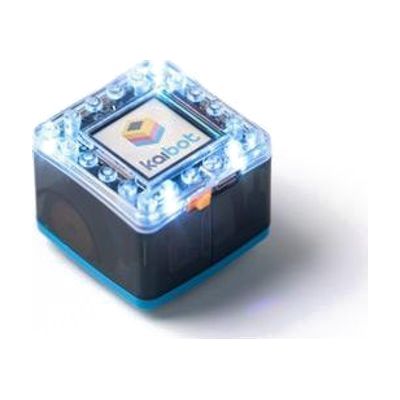
KaiBot
by American Printing House for the Blind
Last verified July 3, 2026 · classified July 6, 2026
What it is
Summary
AI-generated from vendor-published content · July 6, 2026
KaiBot is a physical coding robot designed specifically for blind and low-vision learners, using raised tactile tiles and braille-labeled programming cards instead of a screen or visual interface to teach sequencing, logic, and foundational coding concepts. Kids arrange the physical cards to build programs, then the robot executes those instructions — making abstract coding tangible in a way that works without any vision at all. The kit pairs with a free companion app (Kainundrum Lite, iOS and Android) that extends the experience, though the robot itself works hands-on without the app. This is a complete, self-contained kit aimed at school-age children — no prior coding experience needed — but a teacher or vision specialist familiar with braille and tactile learning materials will get the most instructional value out of it.
Quick Facts Catalog facts · auto-generated
- AT Act lending
- Out of pocket
- School district
- Vocational rehab
What Setup Looks Like
- Out of the box
- Open the kit and charge the robot.
- Lay out the tactile programming cards and arrange them in a sequence.
- Place the robot on the tile board to execute the coded program.
- With a guide
- Download the free Kainundrum Lite app on iOS or Android to access additional activities and guided lessons.
- Review the included curriculum materials or APH educator resources to plan lesson sequences — budget 30–60 minutes for initial lesson planning.
- See manufacturer support resources for detailed instructions.
- With professional help
- A Teacher of the Visually Impaired (TVI) can integrate KaiBot into IEP coding or STEM goals and adapt activities for students with additional needs.
- Expect 1–2 planning sessions with a TVI or special education teacher before classroom use.
Getting it
Try Before You Buy
Devices like this are often available to borrow through your state's AT Act program — typically free or low-cost — so you can try it before buying or pursuing funding.
Where to Get It
Some links may be affiliate links — WhatCanHelp may earn a small commission from purchases at no extra cost to you. More on affiliates →
How to Fund This
Equipment like this is often pursued through official state programs. These are common starting points — each program decides its own eligibility and what it covers, so the first step is always a phone call.
Compare & explore
Sources & fine print
Vendor facts (name, price, platforms, vendor link) sourced from American Printing House for the Blind — view on vendor site; last verified July 3, 2026.
Classification & description AI-generated from vendor-published content on July 6, 2026 · confidence: high. Vendor specs may lag; verify before relying on details in a clinical or funding artifact.