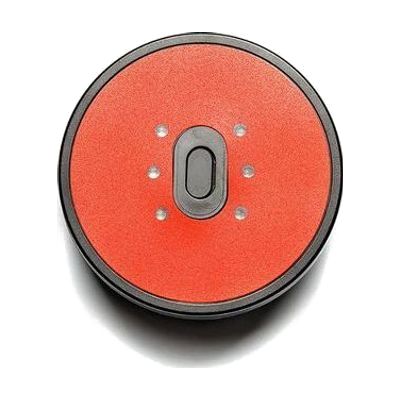
ToFFEE Bluetooth Switch
Last verified June 20, 2026 · classified April 26, 2026
What it is
Summary
AI-generated from vendor-published content · April 26, 2026
The ToFFEE is a proximity-based Bluetooth switch that detects movement without requiring physical contact — instead of pressing a button, the user moves a body part (hand, head, knee) within a configurable detection zone to trigger an activation. It's designed for people with very limited or unreliable motor movement who cannot reliably press or touch a traditional switch, such as those with severe physical disabilities, progressive conditions, or high spinal cord injuries. The device connects wirelessly via Bluetooth to tablets, computers, or AAC devices and offers selectable detection ranges so a clinician can tune sensitivity to the individual's available movement. This is a component, not a complete solution — you'll need a compatible Bluetooth-enabled device and a trained therapist or ATP to configure detection range, output mode, and integrate it into your existing access method setup.
Quick Facts Catalog facts · auto-generated
- AT Act lending
- Medicaid waiver
- Out of pocket
- School district
- Vocational rehab
What Setup Looks Like
- Out of the box
Pair the ToFFEE to a Bluetooth-enabled device as you would any Bluetooth accessory. - With a guide
- Review Inclusive Technology's setup documentation to identify which output mode matches your target software or device.
- Adjust detection range using the onboard controls to match the user's available movement — allow 30–60 minutes for initial calibration. See manufacturer support resources for detailed instructions.
- With professional help
- An occupational therapist (OT) or assistive technology professional (ATP) should assess the user's motor access site (e.g., hand, head, foot) before selecting this switch.
- An ATP configures output mode, sensitivity, and integrates the switch with AAC software or environmental control — expect 2–4 sessions over several weeks for full implementation.
Getting it
Try Before You Buy
Devices like this are often available to borrow through your state's AT Act program — typically free or low-cost — so you can try it before buying or pursuing funding.
Where to Get It
Some links may be affiliate links — WhatCanHelp may earn a small commission from purchases at no extra cost to you. More on affiliates →
As an Amazon Associate we earn from qualifying purchases.
How to Fund This
Equipment like this is often pursued through official state programs. These are common starting points — each program decides its own eligibility and what it covers, so the first step is always a phone call.
Compare & explore
Sources & fine print
Vendor facts (name, price, platforms, vendor link) sourced from Inclusive Technology — view on vendor site; last verified June 20, 2026.
Classification & description AI-generated from vendor-published content on April 26, 2026 · confidence: medium. Vendor specs may lag; verify before relying on details in a clinical or funding artifact.