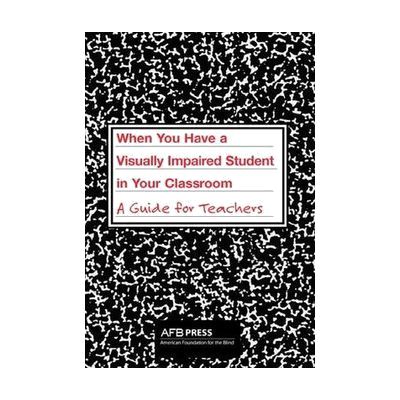
When You Have a Visually Impaired Student in Your Classroom: A Guide for Teachers
by American Printing House for the Blind
Last verified June 15, 2026 · classified June 11, 2026
What it is
Summary
AI-generated from vendor-published content · June 11, 2026
This is a printed or digital guide written for general education teachers who have a blind or visually impaired student joining their classroom. It covers practical strategies for inclusion, classroom accommodations, and how to work alongside a teacher of the visually impaired (TVI) — the kind of foundational knowledge most classroom teachers never received in their training. You're getting a standalone reference document, not software or a device, so there's nothing to configure or install beyond having an EPUB reader if you go the digital route. It's a low-cost starting point, but it's a supplement to — not a substitute for — collaboration with a certified TVI or orientation and mobility specialist who knows the specific student.
Quick Facts Catalog facts · auto-generated
- Out of pocket
- School district
What Setup Looks Like
- Out of the box
- For the digital version, open the EPUB file in any compatible reader (Apple Books, Adobe Digital Editions, etc.) and begin reading.
- For the print version, allow 10–14 business days for the made-to-order copy to ship before it arrives.
Getting it
Many states lend devices like this for free trial periods — find your state's AT lending program.
Where to Get It
Some links may be affiliate links — WhatCanHelp may earn a small commission from purchases at no extra cost to you. More on affiliates →
Wondering how equipment like this gets paid for? See the official funding programs in your state.
Compare & explore
Sources & fine print
Vendor facts (name, price, platforms, vendor link) sourced from American Printing House for the Blind — view on vendor site; last verified June 15, 2026.
Classification & description AI-generated from vendor-published content on June 11, 2026 · confidence: high. Vendor specs may lag; verify before relying on details in a clinical or funding artifact.