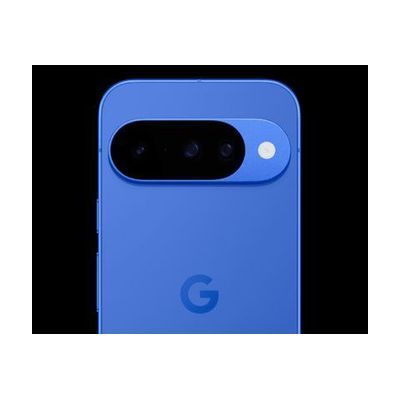
Google Pixel 10
by Google
Price is what the vendor listed when last checked. Confirm it with the vendor before buying.
Last verified September 17, 2026 · classified April 26, 2026
What it is
Summary
AI-generated from vendor-published content · April 26, 2026
The Google Pixel 10 is an Android smartphone that ships with Google's most mature suite of built-in accessibility features, including TalkBack (a full screen reader for blind users), Live Captions (real-time captioning of any audio on the device), Sound Notifications (which identifies environmental sounds like doorbells or alarms), and Switch Access for people who can't use a touchscreen directly. It's a strong option for someone with vision loss, hearing loss, motor limitations, or cognitive differences who wants a single device that handles communication, navigation, and daily tasks without requiring third-party apps for core accessibility. This is a complete, ready-to-use smartphone — insert a SIM or activate eSIM and it works immediately, with accessibility settings available in the setup wizard on first boot. Getting the most from accessibility features like TalkBack or Switch Access — especially for someone new to them — typically benefits from guidance from a family member, trainer, or AT specialist, as the learning curve can be steep without support.
Quick Facts Catalog facts · auto-generated
- AT Act lending
- Out of pocket
- Vocational rehab
What Setup Looks Like
- Out of the box
- Insert a physical SIM card or activate an eSIM through your carrier to connect to a network.
- Power on and follow the Android setup wizard — accessibility features (TalkBack, captions, etc.) can be enabled during initial setup or afterward in Settings > Accessibility.
- With a guide
- Explore the Accessibility menu with a family member or trainer to identify and turn on relevant features: TalkBack for vision loss, Live Captions for hearing loss, Switch Access for motor limitations.
- Customize gestures, display size, font size, and notification settings to match the user's specific needs — allow 30–60 minutes with documentation or a tutorial video.
- With professional help
- An assistive technology specialist or orientation and mobility specialist can configure TalkBack gestures, braille keyboard input, and switch scanning patterns for users with complex needs.
- An SLP or OT may be helpful if the phone is being integrated into a broader AAC or environmental control setup. See Google's Accessibility Help resources for detailed feature documentation.
Getting it
Try Before You Buy
Devices like this are often available to borrow through your state's AT Act program — typically free or low-cost — so you can try it before buying or pursuing funding.
Where to Get It
This is the vendor WhatCanHelp tracks for this product — it may also be available from other retailers or a local supplier, and prices vary.
Some links may be affiliate links — WhatCanHelp may earn a small commission from purchases at no extra cost to you. More on affiliates →
As an Amazon Associate we earn from qualifying purchases.
How to Fund This
Equipment like this is often pursued through official state programs. These are common starting points — each program decides its own eligibility and what it covers, so the first step is always a phone call.
Compare & explore
Sources & fine print
Vendor facts (name, price, platforms, vendor link) sourced from Google — view on vendor site; last verified September 17, 2026.
Classification & description AI-generated from vendor-published content on April 26, 2026 · confidence: high. Vendor specs may lag; verify before relying on details in a clinical or funding artifact.