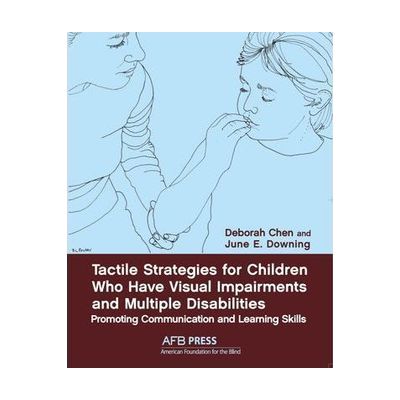
Tactile Strategies for Children Who Have Visual Impairments and Multiple Disabilities: Promoting Communication and Learning Skills(EPUB)
by American Printing House for the Blind
Last verified July 30, 2026 · classified June 17, 2026
What it is
Summary
AI-generated from vendor-published content · June 17, 2026
A professional reference book in EPUB format covering tactile communication strategies for children who are both visually impaired and have additional disabilities. The content focuses on how caregivers, educators, and therapists can build communication and learning skills through touch-based approaches — calendar systems, object cues, hand-under-hand guidance, and similar methods. This is a training resource for the adults working with these children, not a tool the child uses directly. Readers need an EPUB reader app (many free options exist across all platforms) to open the file, and the digital format means no returns once purchased.
Quick Facts Catalog facts · auto-generated
- Out of pocket
- School district
- Vocational rehab
What Setup Looks Like
- Out of the box
- Download the EPUB file after purchase.
- Open in any EPUB reader app (Apple Books, Google Play Books, Adobe Digital Editions, or similar free options).
Getting it
Many states lend devices like this for free trial periods — find your state's AT lending program.
Where to Get It
This is the vendor WhatCanHelp tracks for this product — it may also be available from other retailers or a local supplier, and prices vary.
Some links may be affiliate links — WhatCanHelp may earn a small commission from purchases at no extra cost to you. More on affiliates →
As an Amazon Associate we earn from qualifying purchases.
How to Fund This
Equipment like this is often pursued through official state programs. These are common starting points — each program decides its own eligibility and what it covers, so the first step is always a phone call.
Compare & explore
Sources & fine print
Vendor facts (name, price, platforms, vendor link) sourced from American Printing House for the Blind — view on vendor site; last verified July 30, 2026.
Classification & description AI-generated from vendor-published content on June 17, 2026 · confidence: high. Vendor specs may lag; verify before relying on details in a clinical or funding artifact.