Browse Assistive Technology
Products
-
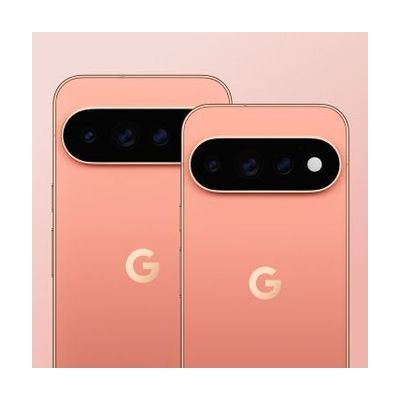
Google Pixel 11 Pro
Est. $999–$1,299
The Google Pixel 11 Pro is an Android smartphone sold unlocked, so you pick your own carrier and plan. It has a bright display (up to 3600 nits), a Gemini assistant for everyday tasks like finding information and drafting ideas, and a HiLight feature meant to keep you in touch with your phone without staring at the screen. This is a general-purpose phone, not a device built for one disability. Its value as assistive tech comes from the accessibility settings and voice features you turn on and tune to your needs. You'll also need to arrange carrier service yourself.
Verified 4 days agoSetup with instructions -

Galaxy S26 Ultra
Est. $1,199–$1,399
The Galaxy S26 Ultra is a mainstream Android smartphone with a long list of accessibility tools built into the phone itself. For vision, it has the TalkBack screen reader, magnification, and color adjustment. For hands-free or limited-movement use, it has Voice Access, Bixby voice control, switch scanning through Universal Switch, and an on-screen Assistant Menu that stands in for hardware buttons and gestures. For hearing, it adds Live Transcribe and Live Caption for text of speech, sound detectors for things like a doorbell or a crying baby, and Bluetooth hearing aid support. The tools are powerful but spread across many settings menus, so someone will need to choose which ones fit and tune them, and a person new to a screen reader or switch scanning will need time to learn them.
Verified 4 days agoSetup with instructions -
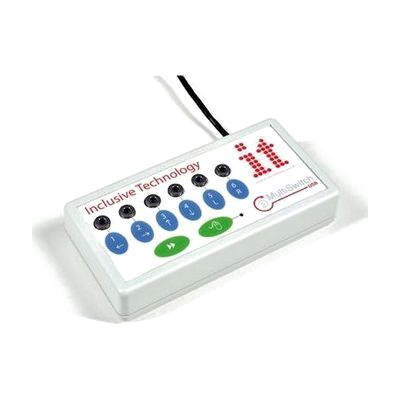
Inclusive MultiSwitch 2
Est. $150–$350
The MultiSwitch 2 is a USB switch interface that lets you plug in up to six assistive switches and use them with a computer. It detects which program is loading and sets up the switches for that program on its own. For software that isn't switch-accessible, the included programming software lets you map each switch to a mouse click, a key press, or an action like print or save. It can also move the mouse cursor with a switch, with four speed settings. This is the interface only, so you'll need to supply the switches, and building the right profile for a person takes some trial and error.
Verified 4 days agoProfessional guidance helps -
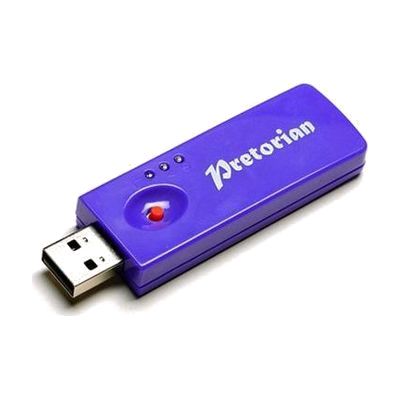
SimplyWorks Receive 2
Est. $60–$120
The Receive 2 is a small wireless receiver that plugs into a computer's USB port and lets up to six SimplyWorks transmitters, such as switches, a mouse, or a joystick, control the computer without cables. It works with any mix of transmitters and has a range of more than 10 meters, so a classroom or therapy room can be set up for one person or several without wires crossing the floor. It needs no driver software and works on Windows and Mac. Two LEDs show when Caps Lock and Drag Lock are on. It must go into a USB port; it won't work in an older PS/2 port, even with an adapter.
Verified 4 days agoSetup with instructions -
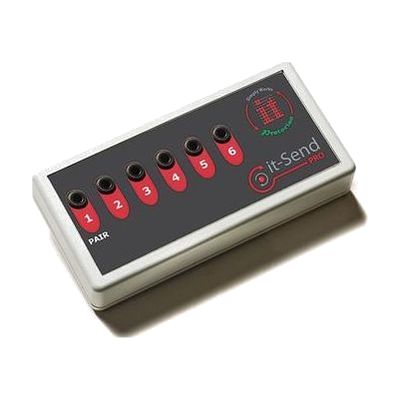
it-Send Pro
Est. $80–$200
The it-Send Pro lets you plug in up to six wired switches (the kind with 3.5mm jacks) and sends their presses wirelessly to a paired it-Receive, so the switches don't need a cable to the computer or toy. It works within about 10 metres, which gives you room to position switches wherever the person can reach them most comfortably. With the it-Receive and the supplied Switch Centre software, each switch function is set up automatically for Simply Works devices. For software that isn't in the database, you can build a custom profile. This is a piece of a larger system: you need the switches themselves, an it-Receive, and a Simply Works-compatible computer program or adapted toy to make it useful.
Verified 4 days agoProfessional guidance helps -
MacBook Pro
$1,599.00
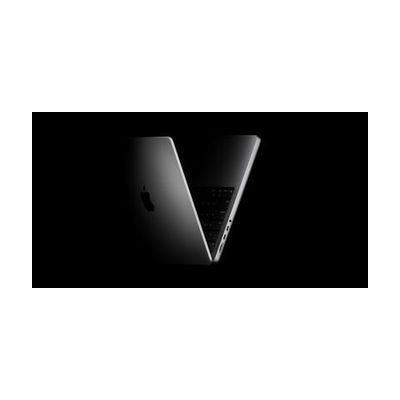
The MacBook Pro is Apple's laptop line, available in 14-inch and 16-inch sizes with M5-family chips and a Liquid Retina XDR display. It is a general-purpose computer, so it is not a single-purpose assistive device, but it runs macOS, which has accessibility settings for vision, hearing, movement, and thinking and learning needs. Those settings can also help with communication, for example by running speech or switch-based communication software. The laptop also has a 12MP camera, a three-mic array, a six-speaker system, and a headphone jack. How much it helps depends on which macOS settings and apps you turn on, so budget time to explore and set them up.
Verified 4 days agoSetup with instructions -
Switch2Scan for iPad
Est. $150–$350
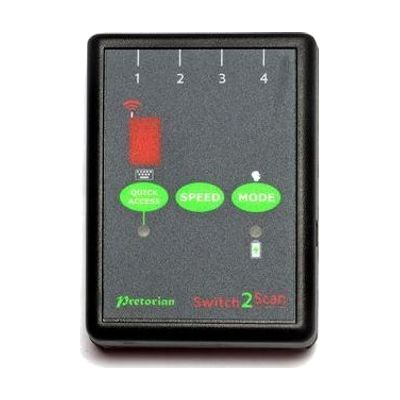
Switch2Scan is a small Bluetooth switch interface that lets someone control an iPad using one or more wired switches instead of touching the screen. It scans through items on screen, either automatically or one step at a time by hand, so it works for apps, turning pages in iBooks, and typing on the on-screen keyboard. You can plug in up to four wired switches, pick from four scanning speeds, and scan forward or backward. This is the interface only, so you'll need your own switch or switches, and the listed compatibility covers older iPad, iPod and iPhone models.
Verified 4 days agoProfessional guidance helps -
Ultimate Switchbox
Est. $150–$350
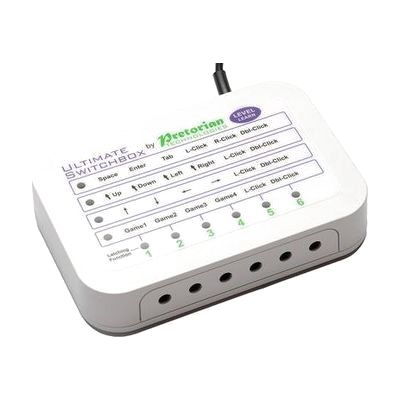
The Ultimate Switchbox is a USB switch interface that lets up to six switches control a computer as if they were keyboard keys, mouse buttons, or gamepad buttons. Each socket can be set to a single key, a modifier like Shift or Control, a mouse click or cursor move, or a short macro of up to four keystrokes. Settings are spread across four levels, so one set of switches can do different jobs, and a seventh socket or an onboard button changes levels. It works without extra software and comes with default settings that often need no changes. This is the interface only, so you'll need your own switches and a computer, and finding the right mapping for a particular user is where an ATP, OT, or SLP helps most.
Verified 4 days agoProfessional guidance helps -
Google Pixel 11
Est. $799–$1,199
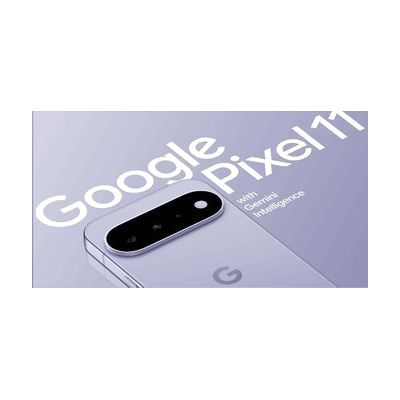
The Google Pixel 11 is a general-purpose Android smartphone, and its built-in accessibility settings are what make it useful as assistive technology. It comes unlocked, so you pick the carrier and plan, and it runs on Google's Tensor G6 chip. Look at the screen options: brightness reaches 3000 nits on the standard model, and the glass cover is built to resist scratches. This is a phone, not a ready-made AT system, so any voice, vision, or touch settings need to be turned on and tuned to the person using it.
Verified 4 days agoSetup with instructions -

Galaxy Z Fold8
Est. $1,799–$1,999
The Galaxy Z Fold8 is a foldable Android smartphone from Samsung, and its accessibility tools cover vision, hearing, and motor needs in one device. For vision, it has the TalkBack screen reader, magnification, and color adjustment. For hearing, Live Transcribe and Live Caption turn speech and audio into text, sound detectors can alert you to things like a doorbell or a crying baby, and Bluetooth hearing aid support is built in. For motor access, Voice Access and Bixby let you control the phone by voice, Universal Switch supports switch scanning, and Assistant Menu puts the hardware buttons and gestures on screen. Most of these features have to be turned on and tuned to the person, so expect some time in Settings. It's also a high-priced phone, so this is a good fit if you want a mainstream device that already has these tools rather than a dedicated AT product.
Verified 4 days agoSetup with instructions -
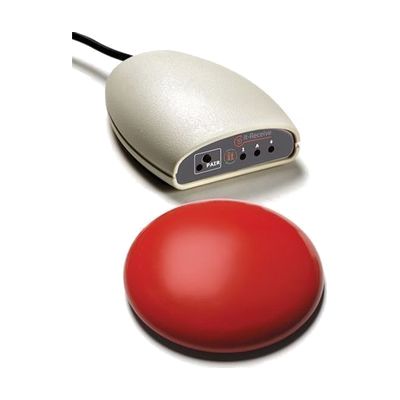
Simply Works – Wireless Switch Access
$199.00
Simply Works is a wireless switch set that lets someone control a computer by pressing a single switch from up to 30 feet away. The kit includes the it-Switch, which the person presses, and the it-Receive, a small receiver that plugs into the computer's USB port. Because there's no cable between the two, the switch can sit wherever the person can reach it most comfortably, such as on a tray or a wheelchair mount. It's a good fit for someone who can't use a regular keyboard or mouse but can reliably press a switch. The kit gives you the way in, but you'll still need software on the computer that works with a switch, like a switch-accessible communication or computer access program.
Verified 3 weeks agoProfessional guidance helps -
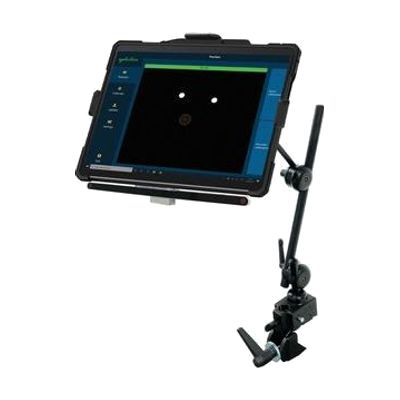
Surface Pro EyeGaze Education: eyetuitive for Windows
Est. $1,500–$3,500
This bundle pairs a Windows Surface Pro tablet with eyetuitive's eye gaze system, so a student can control the tablet by looking at the screen instead of touching it. It's put together for the special education classroom, and the maker describes it as portable, sturdy, and easy to use. Because the tablet and the eye gaze pieces come as one package, you're not hunting for compatible parts yourself. Eye gaze works best when it's matched to the student's vision, positioning, and goals, so expect to get help from a therapist or ATP when choosing software and tuning the setup.
Verified 4 days agoProfessional guidance helps -
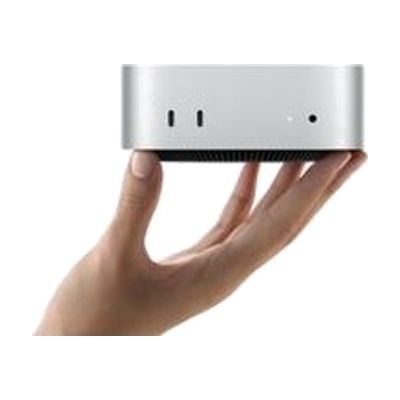
Mac mini
$599.00
The Mac mini is a small desktop computer, about five by five inches, that runs macOS and connects to the monitor, keyboard, and mouse you choose. That freedom is what makes it useful for assistive technology: you can pair it with larger or specialized displays, alternative input devices, or switch-based setups, and use the accessibility features built into macOS. It has ports on both the front and back, and it can sit next to a monitor or be mounted out of the way. Keep in mind that it is only the computer itself, so you need to supply the screen and input devices, and any assistive setup is up to you.
Verified 4 days agoSetup with instructions -
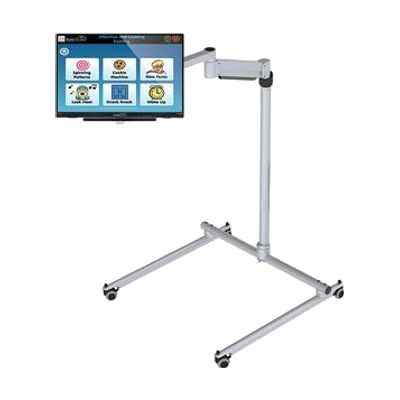
All in One EyeGaze Education: eyetuitive for Windows
Est. $800–$2,000
This is a ready-to-assemble eye gaze package for a special needs classroom, built around eyetuitive for Windows. The bundle includes a touch PC or monitor, a REHAdapt stand to hold it, and Inclusive EyeGaze software. With eye gaze, a student controls the screen by looking at it instead of using a mouse or touch, which opens up learning activities and communication for children who can't use those tools easily. Because the pieces come together in one package, a school doesn't have to match a tracker, screen, mount, and software on its own. Getting the student positioned well and the tracking calibrated is where a therapist or AT specialist can make a real difference.
Verified 4 days agoProfessional guidance helps -
iPhone 17
$799.00
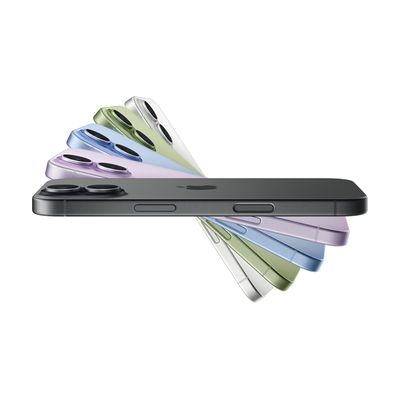
The iPhone 17 is Apple's mainstream smartphone, with a 6.3-inch display, a dual rear camera system, and Apple Intelligence features such as Live Translation. It matters for assistive technology because it is a general-purpose phone that can serve as a platform for many different needs, though the provided details cover its hardware and general features rather than its built-in accessibility settings. This is a full phone, not an add-on, so you get a working device out of the box. Getting real benefit for a specific need usually means turning on and tuning the right settings first.
Verified 4 days agoSetup with instructions -
OptiKey
Free
OptiKey is a free on-screen keyboard for Windows computers that lets someone type and control the computer without using their hands. It works best with an eye-tracking device, so a person can write email and do other computer tasks with their eyes alone. A mouse or webcam can also drive it. It was built with people who have motor neuron disease in mind. It runs on Windows 8, 8.1, and 10, and it's open source, so the software costs nothing. The eye tracker or other input device is a separate purchase.
Verified 4 days agoSetup with instructions -
HelpKidzLearn EasySwitch
Est. $60–$150
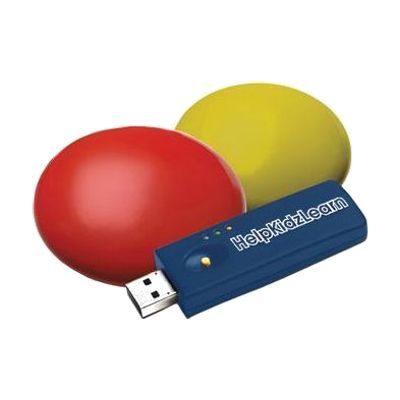
The EasySwitch gives a child a wireless way to play switch-accessible games and activities on a computer. The bundle has a USB dongle and two low-profile switches, one yellow and one red, and the switches respond to very light movement, so they suit someone with limited movement. Press the 'M' button on the back of a switch to assign a keystroke such as Space or Enter, which lets the switches work with HelpKidzLearn games and other switch-accessible software. It is a complete starter set for computer access, though you still need a computer with a USB port and software that accepts switch input.
Verified 4 days agoSetup with instructions -

Galaxy A56 5G
Est. $300–$500
The Galaxy A56 5G is an everyday Android smartphone that has a wide set of accessibility tools built into the phone itself. For vision, it includes the TalkBack screen reader, magnification, and color adjustment. For hearing, it offers Live Transcribe and Live Caption for turning speech and audio into text, sound detectors for things like doorbells and a crying baby, and support for Bluetooth hearing aids. For motor access, Voice Access and Bixby let you control the phone by voice, Universal Switch allows switch scanning, and the Assistant Menu puts hardware buttons and gestures on screen. Because so many tools are included, you get real flexibility, but you'll need to decide which ones fit the person and turn them on one at a time.
Verified 4 days agoSetup with instructions -

Pixel 10 Pro & Pixel 10 Pro XL
$999.00
The Pixel 10 Pro and Pixel 10 Pro XL are Android smartphones with accessibility tools built into the system. These include the TalkBack screen reader, Voice Access for hands-free control by voice, Switch Access, Live Transcribe and Live Caption for turning speech into text, and Sound Notifications that alert you to things like doorbells, alarms, or a crying baby. There is also magnification, color correction, and Bluetooth streaming to compatible hearing aids. Because the tools cover seeing, hearing, moving, and thinking needs, one phone can be set up many ways for different people. The phones are sold unlocked, so you pick your own carrier and plan, and you'll need active service to get the full benefit.
Verified 4 days agoSetup with instructions -
it-Receive
Est. $150–$350
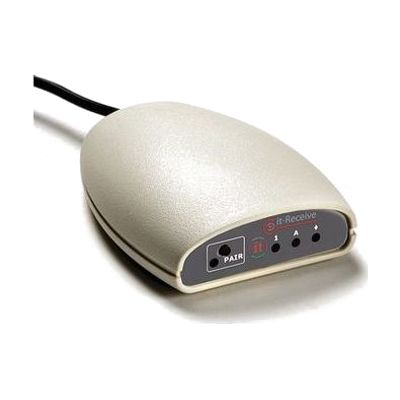
The it-Receive is a USB receiver that lets up to six Simply Works transmitter units, like switches, joysticks, rollerballs, and keyboards, control a computer wirelessly. You can mix any combination of those devices. It works from up to 10 metres (32 feet) away, so it suits classrooms and therapy rooms where people sit in different spots. With the Switch Centre software, it spots which program is running and adjusts its settings to match, and you can program custom switch functions for one person's needs. The receiver doesn't include the transmitters, so you'll need to have those on hand.
Verified 4 days agoSetup with instructions -
iPad Air
$599.00
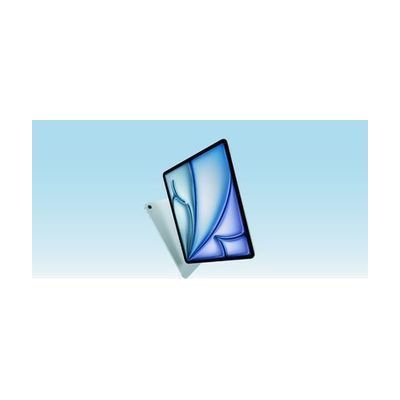
The iPad Air is Apple's mainstream tablet, available in 11-inch and 13-inch sizes with a Liquid Retina display and the M4 chip. It matters for assistive technology because iPadOS is the platform many communication, learning, vision, hearing, and alternative-access apps are built for, so one device can serve many different needs depending on which apps and settings you choose. It works with a Magic Keyboard and Apple Pencil Pro if those suit the person using it, but they are separate purchases. The tablet itself is a general-purpose device, not a ready-made AT solution, so the benefit comes from what you set up on it.
Verified 4 days agoSetup with instructions -
J-Pad Joystick for iPad
Est. $150–$350
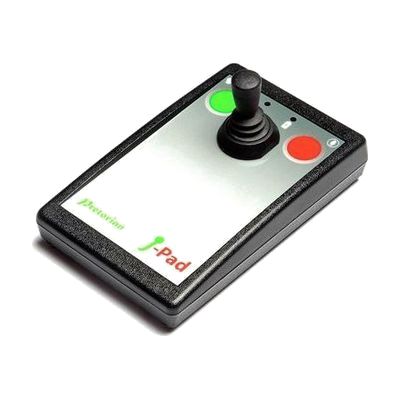
The J-Pad is a wireless joystick that lets someone control an iPad without touching the screen. It connects over Bluetooth and uses line-by-line scanning, which steps through the screen so the person can pick items with the joystick. That covers apps, music, media, photos, the on-screen keyboard, and turning pages in iBooks. It also has two 3.5mm sockets for plugging in outside wired switches, and optional touch-sensitive buttons for opening and closing apps. It's a good fit for someone who can't use the iPad's touchscreen but can move a joystick or press a switch. Scanning is a different way to work, so the person may need practice to use it comfortably.
Verified 4 days agoProfessional guidance helps -
Blue2 FT
$260.00
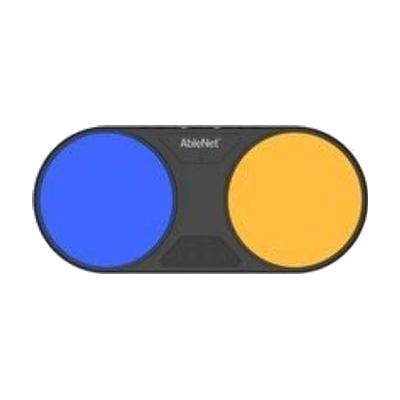
The Blue2 FT is a wireless Bluetooth switch that activates when you touch it or bring a hand close to it, so no hard press is needed. It gives sound and light feedback when it triggers. It can control an iPad or iPhone through Switch Control, and it also works with Windows, Mac, and Chromebook software that responds to keyboard keys like space, enter, or 1 through 4. It has two jacks for plugging in extra switches, such as a Jelly Bean or Big Red, and the built-in sensors turn off automatically when an external switch is connected. It has a rechargeable battery and threaded inserts for mounting. Setting up the right access method, position, and software takes some trial and error, so this is best chosen with someone who knows switch access.
Verified 4 days agoProfessional guidance helps -
Solo Range
Est. $80–$350
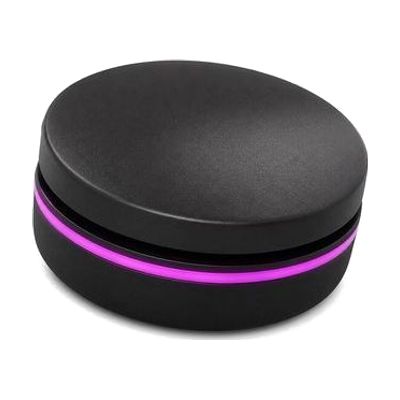
The Solo Range is a family of small Bluetooth access devices that includes switches, a joystick and touch controls. They let someone operate a tablet or computer wirelessly when a standard touchscreen, mouse or keyboard is hard to use. The range works with Android, iOS, Mac and Windows devices. Because the range offers several different input styles, the main task is matching the right one to how the person moves and what they need to do on the device. Choosing the right piece and setting it up usually goes better with an OT, SLP or ATP.
Verified 1 week agoProfessional guidance helps